Optimal Timing for Door Service
Determining the best time for door service involves considering seasonal weather patterns, operational schedules, and maintenance needs. Regular inspections and servicing are recommended before extreme weather conditions to ensure optimal performance and safety.
Scheduling door service in spring and fall helps prepare for summer heat and winter cold, reducing the risk of malfunctions.
Performing service before harsh weather seasons minimizes downtime and extends door lifespan.
Regular inspections, typically bi-annually, maintain safety and operational efficiency.
Service should be scheduled during low-traffic periods to avoid disruptions.

Spring is ideal for preparing doors for the upcoming heat and humidity.
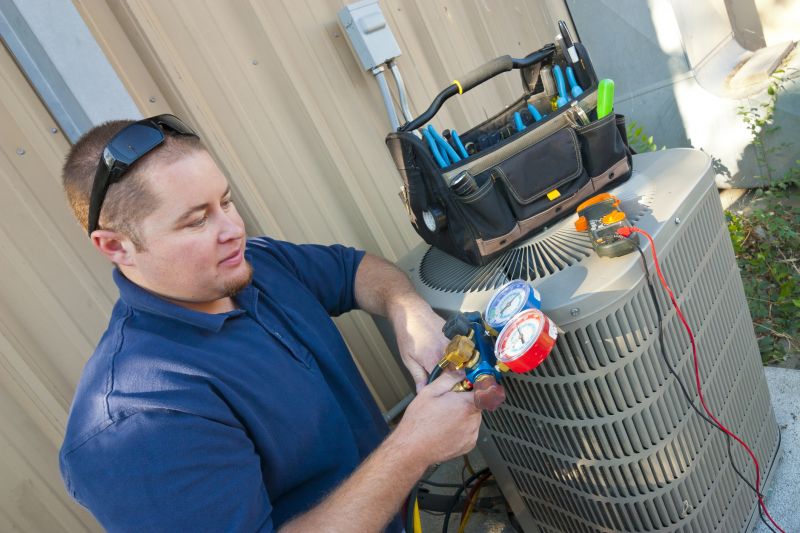
Mid-summer checks can prevent issues caused by high temperatures.
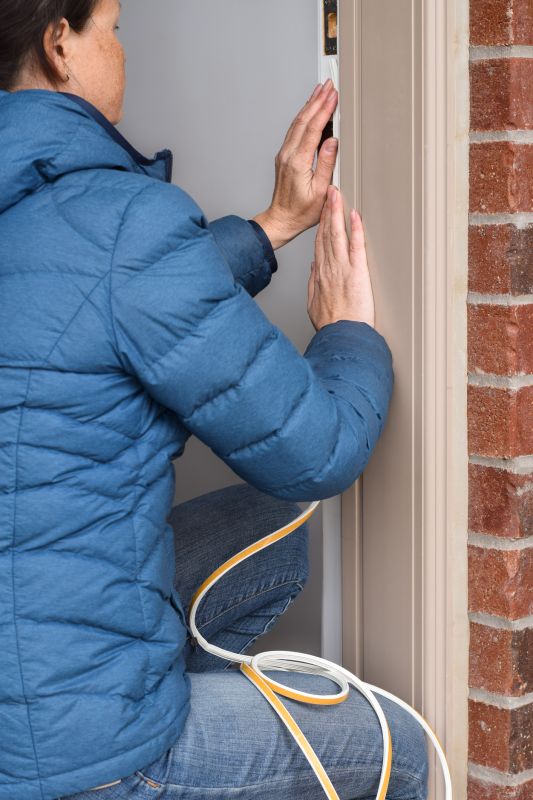
Pre-winter service ensures doors operate smoothly during cold months.
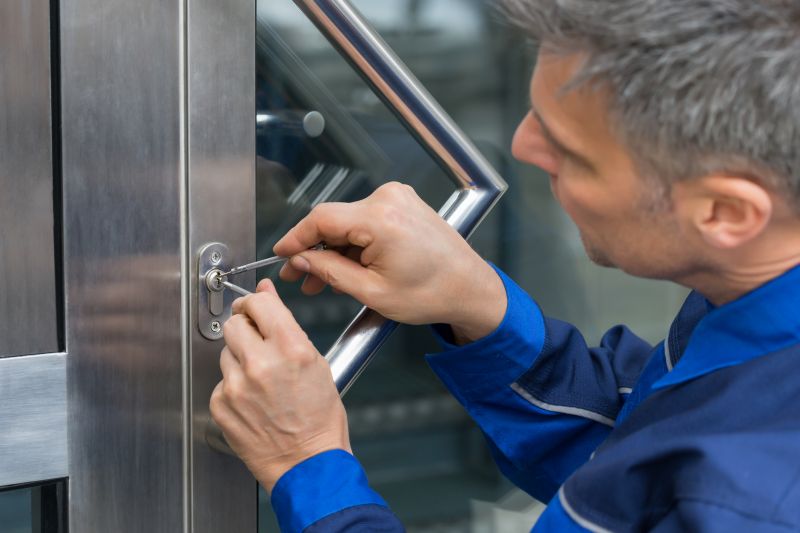
Ways to make Door Service work in tight or awkward layouts.
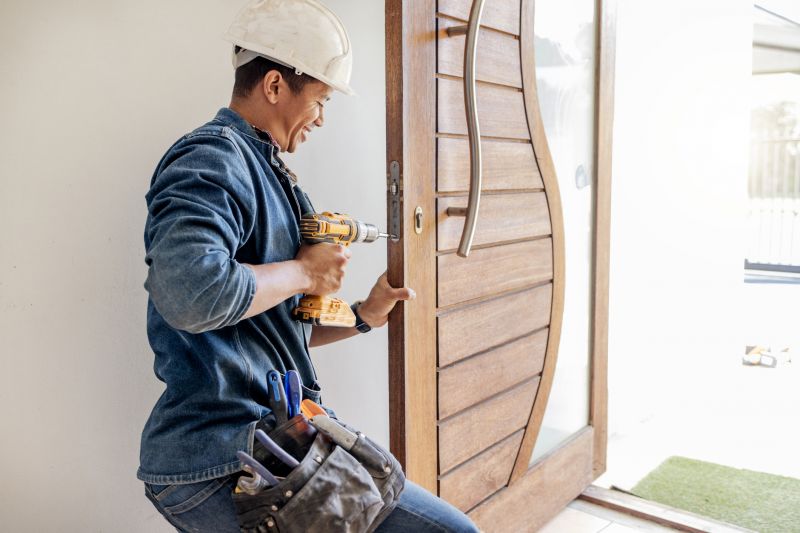
Popular materials for Door Service and why they hold up over time.

Simple add-ons that improve Door Service without blowing the budget.
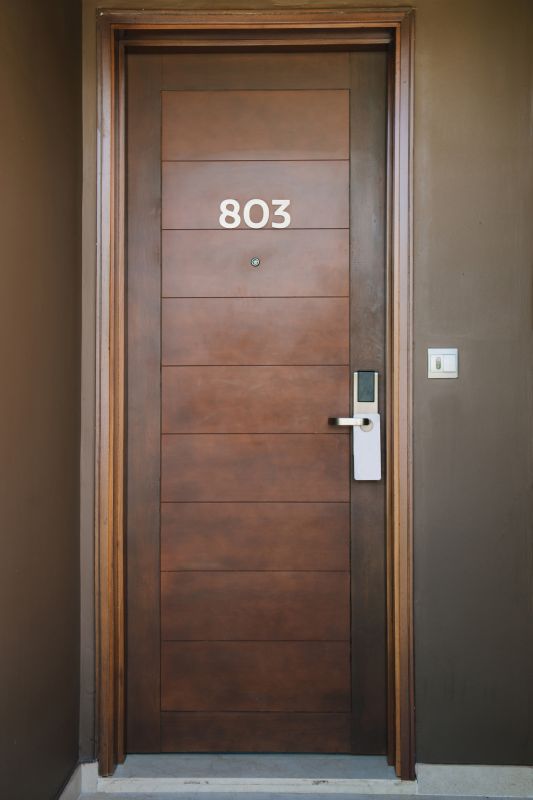
High-end options that actually feel worth it for Door Service.
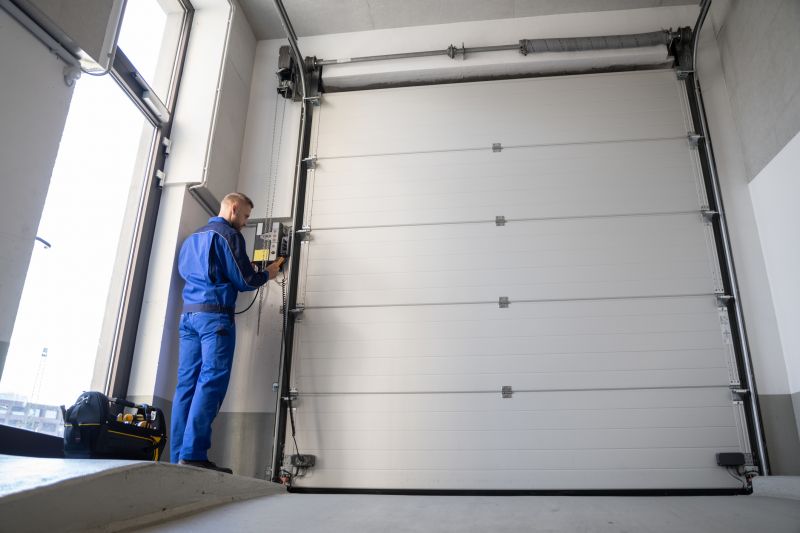
Finishes and colors that play nicely with Door Service.
| Season | Recommended Service Timing |
|---|---|
| Spring | Before hot weather begins |
| Summer | Mid-summer inspections |
| Fall | Before cold weather arrives |
| Winter | Pre-winter maintenance |
| Year-round | Routine bi-annual checks |
Door service encompasses inspection, lubrication, adjustment, and replacement of worn components to ensure safety, reliability, and optimal operation. Properly maintained doors reduce energy costs, prevent breakdowns, and extend the lifespan of equipment. Statistics indicate that regular servicing can decrease emergency repairs by up to 30 percent and prolong door lifespan by several years.
Maintaining doors during appropriate times of the year aligns with seasonal demands and operational schedules. Timely service helps prevent unexpected failures, enhances safety, and maintains consistent performance. Industry data supports the importance of scheduled maintenance, showing significant cost savings and improved reliability over time.
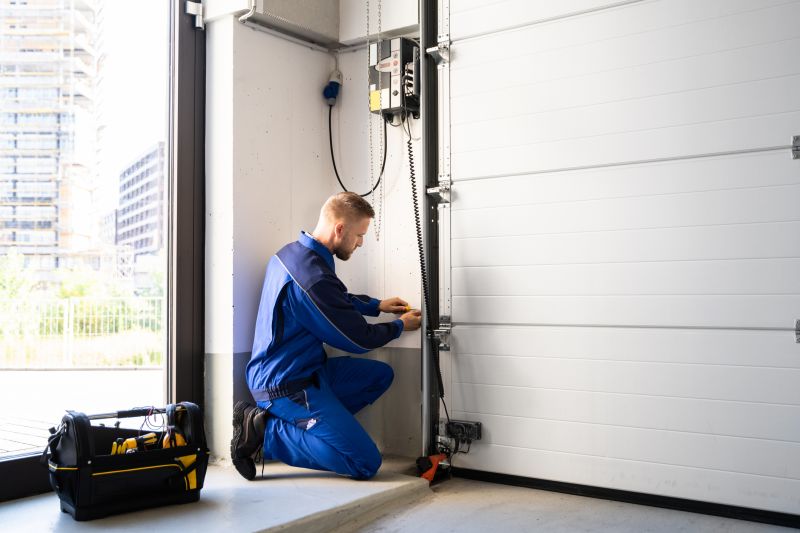
Various tools and parts used in routine maintenance and repairs.
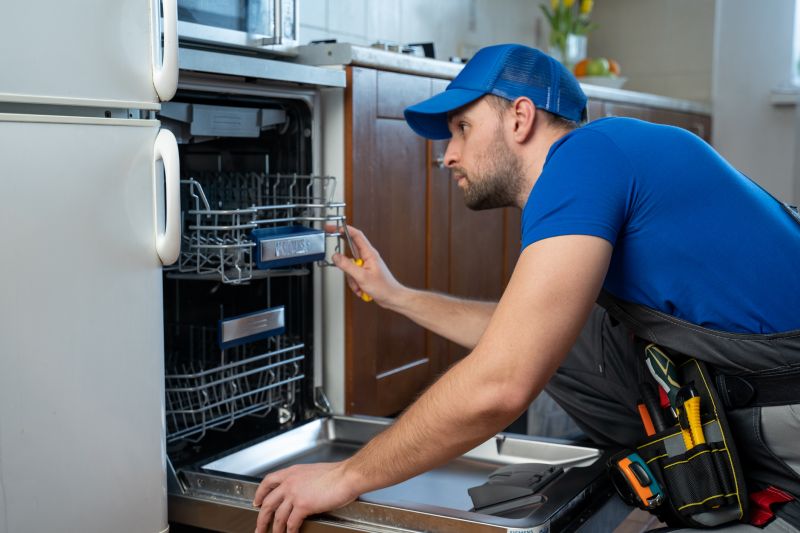
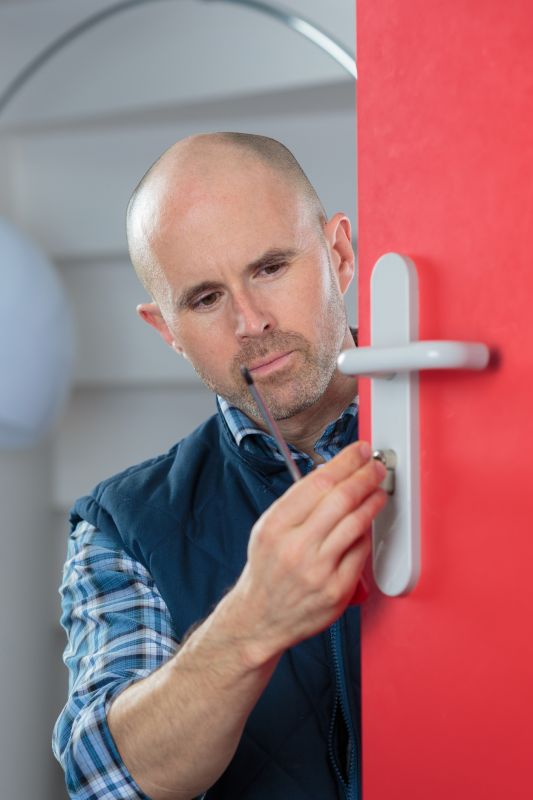
Technicians assess door components for wear and safety compliance.
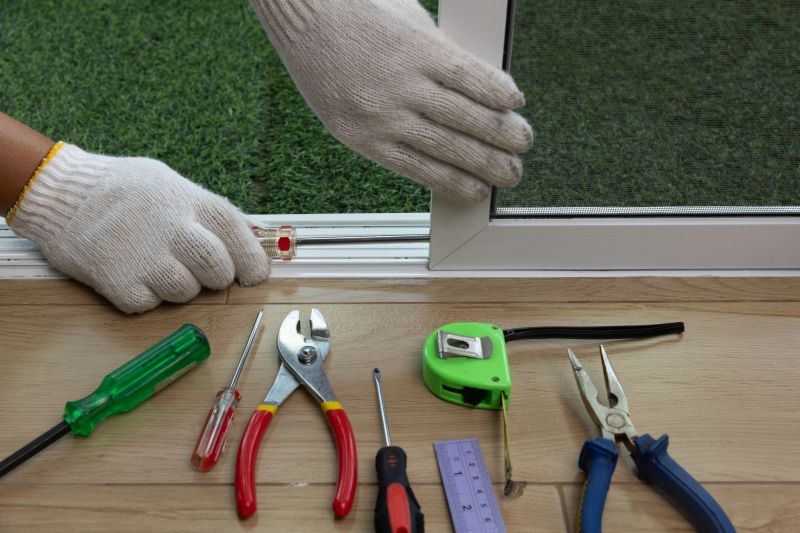
Essential steps to ensure smooth operation and reduce friction.
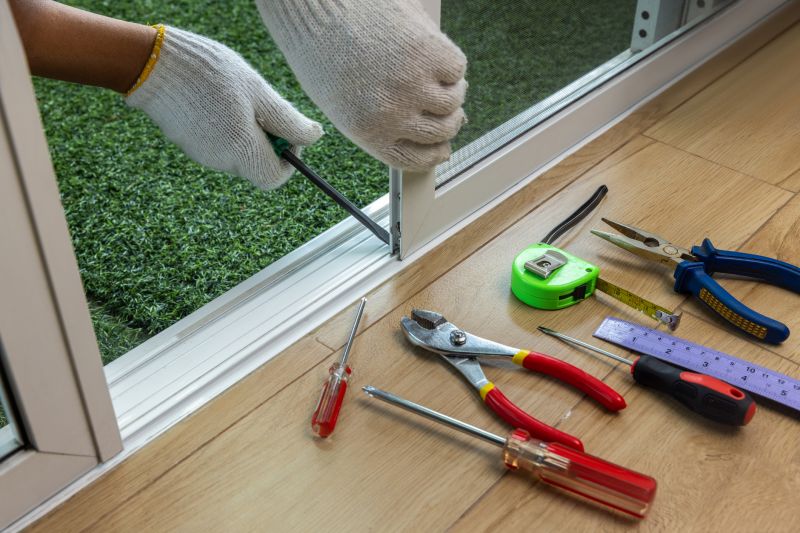
Worn components replaced to restore optimal function.
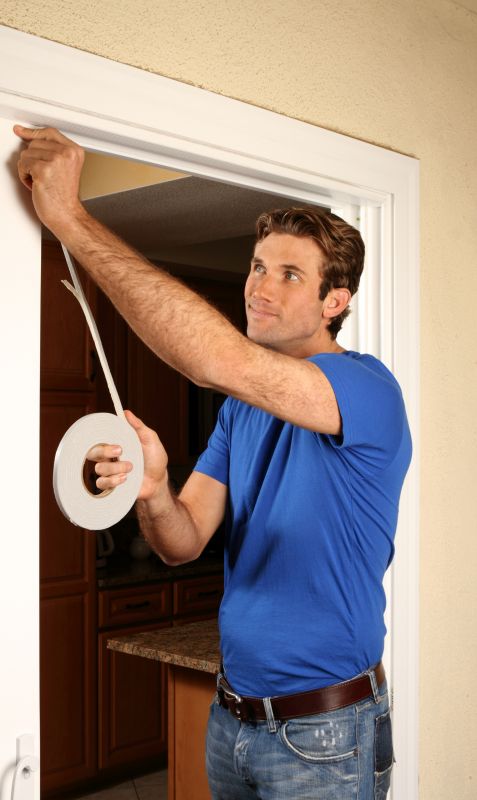
Little measurements that prevent headaches on Door Service day.
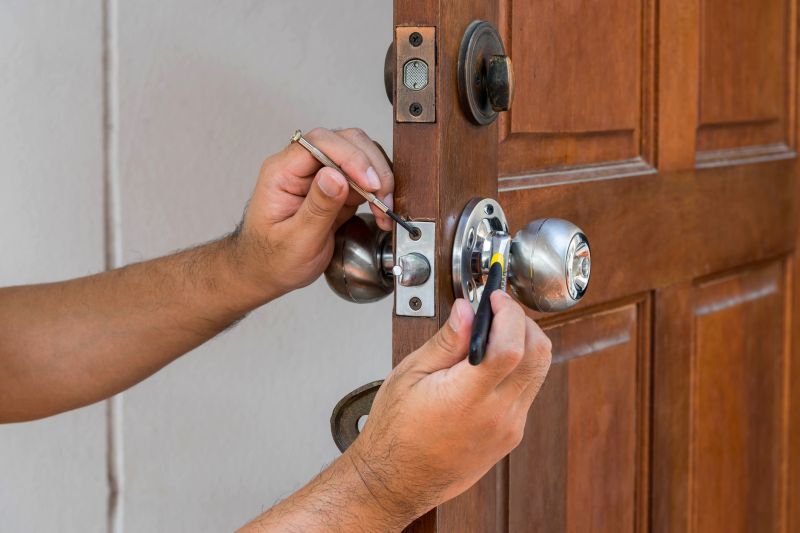
A 60-second routine that keeps Door Service looking new.
A frequent mistake in Door Service and how to dodge it.

Small tweaks to make Door Service safer and easier to use.
Interested parties are encouraged to contact for further details or to schedule a service appointment. Proper timing and maintenance can significantly improve door performance and safety.